


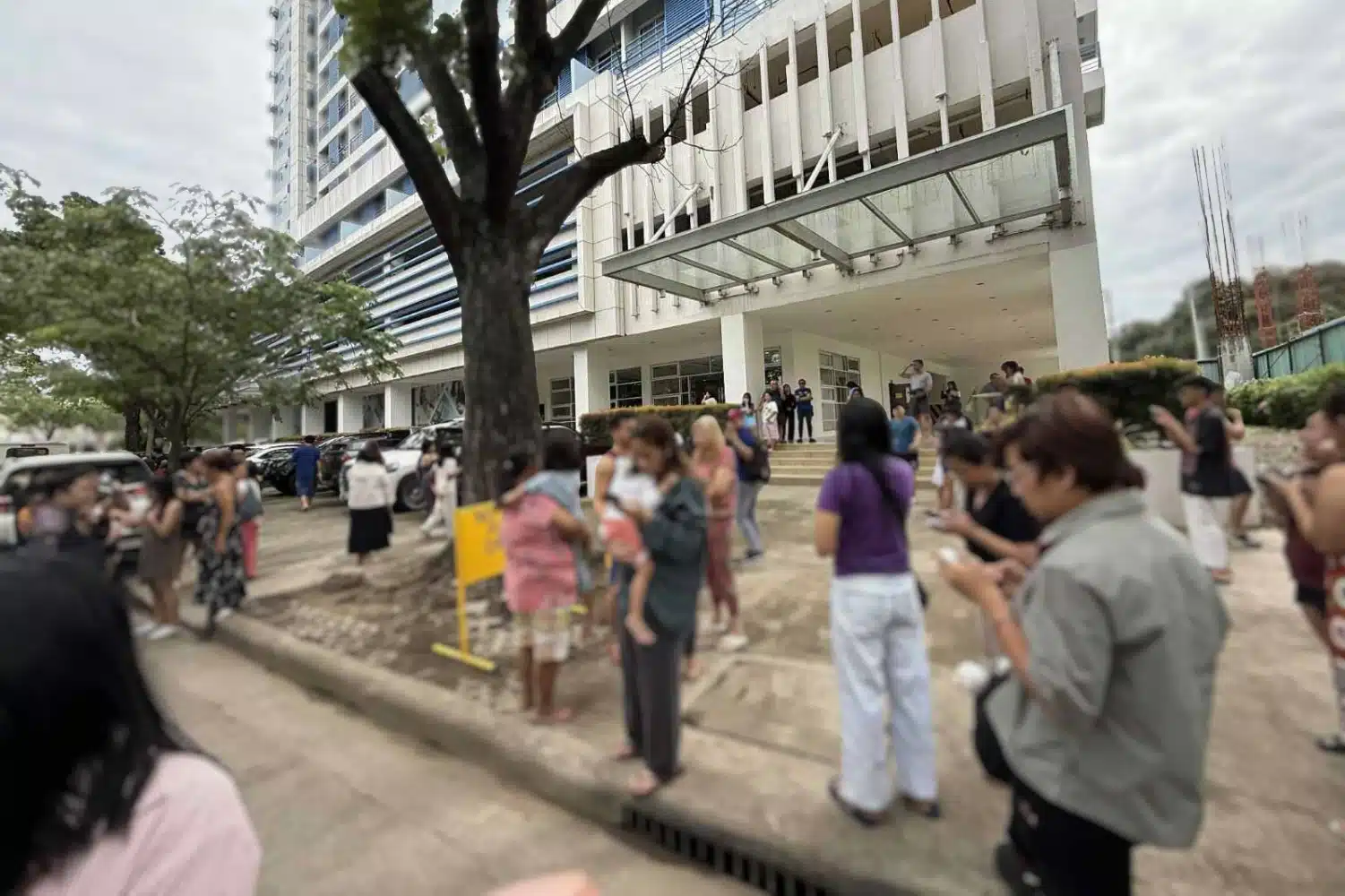
When the ground starts to shake, seconds matter for your earthquake preparedness . Earthquakes can strike without warning, often leaving behind potential hazards, serious damage and chaos.
But with the right earthquake safety preparedness, emergency information, and preparedness, your family can stay safer, reduce risks, and respond quickly and confidently.
This guide will walk you through:
- The top 10 safety tips for families
- What to pack in your earthquake emergency kit
- How to earthquake-proof your home on a budget
- What to do during and after an earthquake
- The importance of earthquake drills at home, school, and work
Understanding Earthquake Risk

Understanding your earthquake risk and identifying any structural issues is the first step in preparing for one.
While some areas are more prone to seismic activity, including potential damage to water lines no place is completely safe. That’s why it’s important to focus on identifying hazards :
- Stay informed about local hazards
- Know your area’s risk level
- Prepare your home and family accordingly
Start by identifying and securing moveable items, and dangers both inside and outside your home—like heavy furniture, appliances, gas lines, and utility wires.
Preparedness isn’t just about reacting during a quake. It also means:
- Securing your home
- Practicing safety drills like “Drop, Cover, and Hold On”
- Having emergency supplies ready
- Participating in events like the Great ShakeOut
After an earthquake, expect aftershocks, stay alert for hazards, and follow your emergency plan.
Top 10 Earthquake Safety and Preparedness Tips for Families
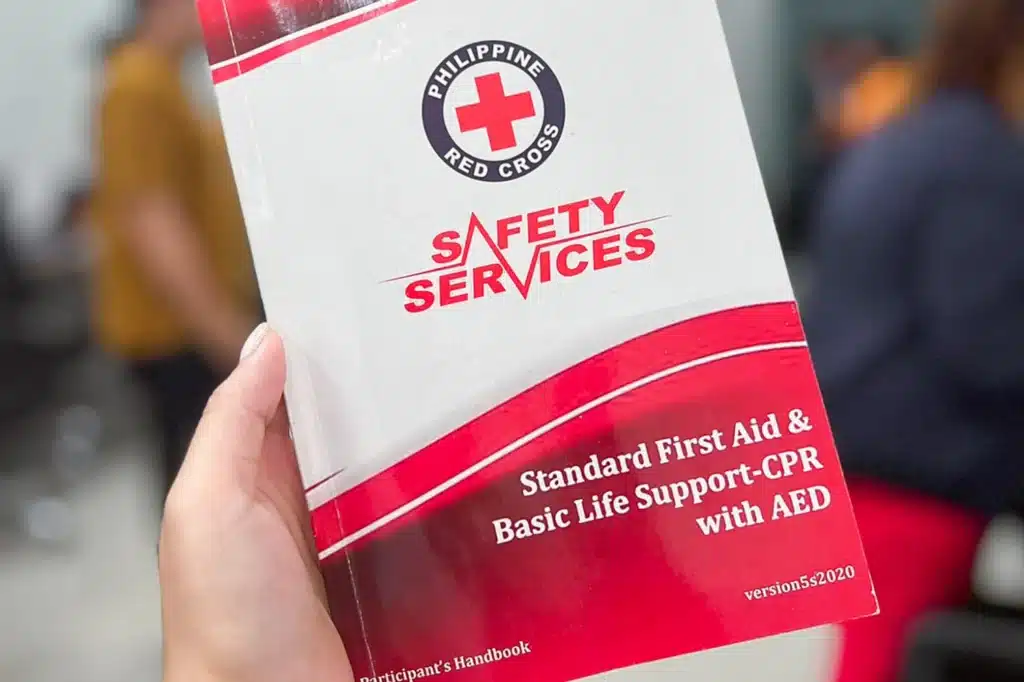
- Create a Family Emergency Plan
- Decide where to meet after an earthquake
- Set up communication plans in case you’re separated
- Secure Heavy Furniture and Appliances
- Bolt tall items to walls
- Secure your home’s foundation
- Keep emergency kits in easy-to-reach places
- Know Safe Spots in Every Room
- Shelter under sturdy furniture or near interior walls
- Avoid windows and doorways
- Practice “Drop, Cover, and Hold On”
- Teach everyone to respond quickly when shaking starts
- Tip for those with mobility issues: Stay seated, lock your wheels, and protect your head and neck
- Keep Emergency Contacts Updated
- Save key numbers, including an out-of-area contact
- Install Safety Latches on Cabinets
- Prevent contents from spilling out during shaking
- Check for Hazards Around Beds
- Avoid placing heavy objects above beds
- Most injuries are caused by falling objects
- Learn How to Shut Off Utilities
- Know how to turn off gas, water, and electricity safely
- Review Insurance Coverage
- Make sure your policy covers earthquake damage
- Consider retrofitting if your home is older
- Stay Informed
- Sign up for local alerts
- Use earthquake warning apps
What to Pack in Your Earthquake Emergency Kit

A key part of earthquake safety and preparedness is having a reliable emergency kit that includes important documents .
Prepare two kits:
- One for your home
- One for your car or workplace
Essentials (for 72 hours per person)
- Water (1 gallon per person per day)
- Non-perishable food
- Flashlight and batteries
- First-aid kit
- Dust masks
- Manual can opener
- Local maps
- Battery-powered or hand-crank radio
Personal Items
- Prescription meds
- Glasses or contact supplies
- Toiletries and sanitation items
- Copies of IDs and insurance
- Cash in small bills
Extras
- Extra clothes & blankets
- Toys or comfort items for children
- Pet food and supplies
💡 Pro Tip: Check and update your kit every 6 months. Replace expired items.
How to Earthquake-Proof Your Home on a Budget

You don’t need a huge budget to make your home safer.
Low-cost earthquake-proofing tips:
- Secure tall furniture with brackets or straps
- Use museum putty for fragile items and electronics
- Install childproof latches on cabinets
- Keep beds away from windows and heavy wall decor
- Use non-slip pads under electronics and appliances
- Inspect walls and ceilings for cracks or damage
- Consider retrofitting if your home is older (rebate programs may be available)
After an earthquake, inspect your home for hazards such as broken glass :
- Water or gas line leaks
- Structural damage
- Loose electrical wiring
Prompt repairs help maintain safety and avoid further damage.
What to Do During and After an Earthquake

During an Earthquake:
Indoors:
- Drop, Cover, and Hold On under sturdy furniture
- Stay away from windows and mirrors
- Avoid doorways—they’re not as safe as people think
Outdoors:
- Move away from buildings, trees, and power lines
Driving:
- Pull over and stop
- Stay inside your vehicle until shaking stops
Mobility Tip:
If using a wheelchair or walker, lock the wheels and stay seated. Protect your head and neck.
After an Earthquake:
- Check for injuries and provide first aid
- Be prepared for aftershocks
- Check for gas leaks, fires, or structural damage
- Do not enter visibly damaged buildings
- Use a battery-powered radio for emergency updates
- Avoid phone use unless it’s an emergency
- Stay away from coastal areas if you’re in a tsunami-prone region
The Importance of Earthquake Drills in Schools and Workplaces
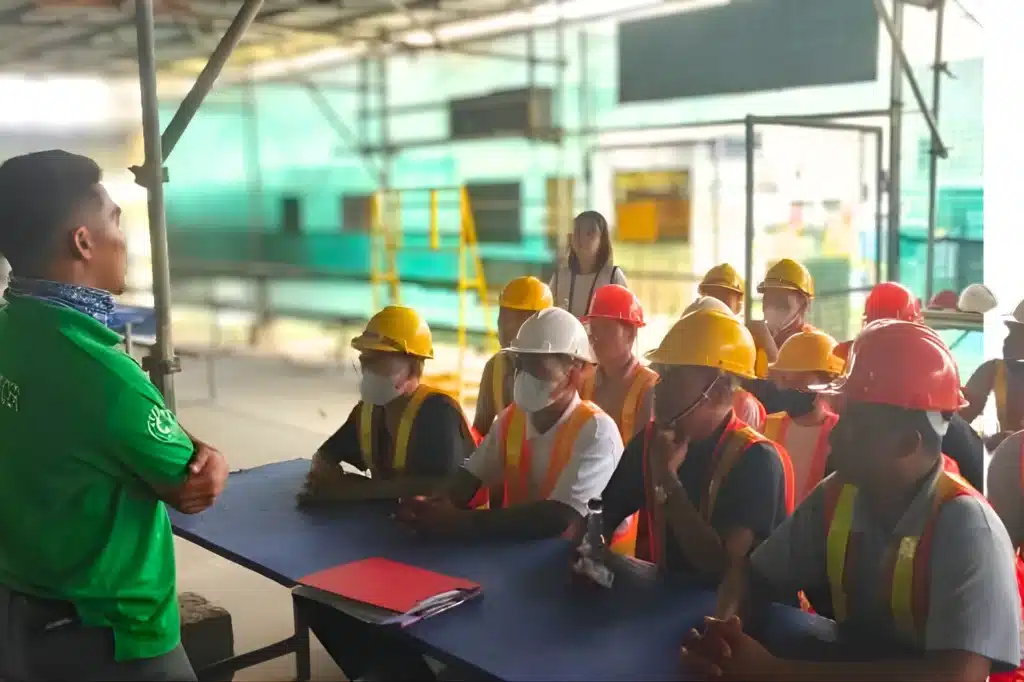
Earthquake safety and preparedness applies everywhere—not just at home—especially during smaller earthquakes .
✅ Schools should:
- Conduct regular earthquake drills
- Teach students how to react calmly and safely
✅ Workplaces should:
- Have a disaster response plan
- Assign safety coordinators
- Conduct evacuation and shelter-in-place drills
Encourage participation in community-wide events like National ShakeOut Day to reinforce readiness.
✅ Final Thoughts
Earthquakes are unpredictable—but your earthquake safety and preparedness doesn’t have to be.
By taking small, smart steps like:
- Securing heavy items
- Practicing drills
- Packing emergency kits
- Staying informed
You can protect your family and help your community recover more quickly after a disaster, aiming to prevent injuries .
🛑 Start small. Stay ready. Stay safe.