


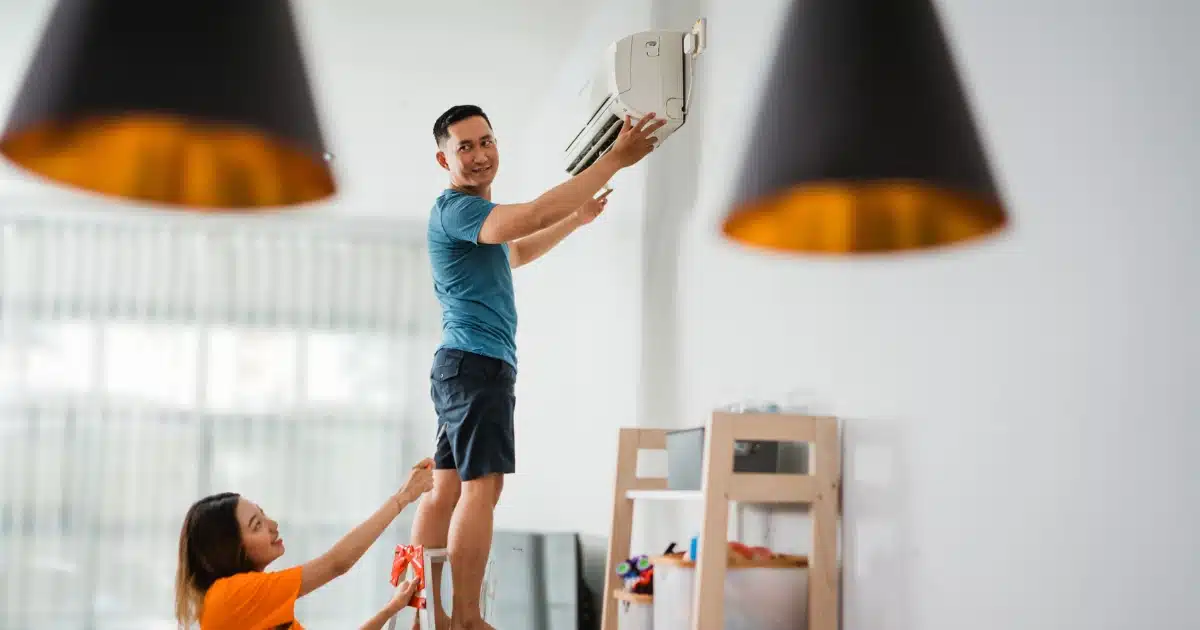
Air conditioners play a crucial role in keeping homes and offices comfortable, especially in warm and humid climates. Like any appliance, your aircon needs regular maintenance to function efficiently. One common question many homeowners ask is: Is DIY aircon cleaning worth it, or should you hire a professional?
In this fully original guide, we’ll explore the advantages and disadvantages of cleaning your air conditioner yourself, so you can make the right decision for your home.
Why Regular Aircon Cleaning Matters
Over time, air conditioning units accumulate dust, dirt, allergens, and even mold. When these contaminants build up, they can:
- Reduce cooling efficiency
- Increase electricity consumption
- Cause unpleasant odors
- Trigger allergies
- Shorten the lifespan of the unit
Major manufacturers like Daikin, LG, Panasonic, and Mitsubishi Electric consistently recommend routine maintenance to keep systems running smoothly.
Cleaning your aircon regularly helps maintain strong airflow, better cooling performance, and improved indoor air quality.
✅ Advantages of DIY Aircon Cleaning
1. Lower Maintenance Costs
The most obvious benefit of cleaning your aircon yourself is saving money. Professional servicing fees can add up, especially if you schedule maintenance multiple times a year. By handling basic cleaning tasks yourself, you reduce ongoing service expenses.
For budget-conscious homeowners, this is a practical advantage.
2. Immediate Action When Needed
If you notice weak airflow or dust buildup, you don’t need to wait for an appointment. DIY cleaning allows you to address minor issues right away. This flexibility is particularly helpful during peak seasons when technicians are in high demand.
3. Simple Tasks Are Easy to Handle
Certain aircon maintenance steps are straightforward, such as:
- Washing or replacing air filters
- Wiping down the outer casing
- Clearing visible dust from vents
These tasks require minimal tools and can often be completed in less than 30 minutes.
4. Improved Awareness of Your Unit
When you regularly inspect and clean your aircon, you become more familiar with how it operates. This hands-on experience can help you detect early warning signs like:
- Unusual noises
- Water dripping
- Reduced cooling strength
Early detection may prevent costly breakdowns later.
❌ Disadvantages of DIY Aircon Cleaning
1. Risk of Accidental Damage
Air conditioners contain sensitive components such as coils, fan motors, and electronic circuits. Without proper knowledge or tools, it’s possible to damage internal parts. Repairs can be more expensive than routine servicing.
2. Limited Deep Cleaning
DIY cleaning typically focuses on surface-level maintenance. However, professional servicing includes:
- Cleaning evaporator and condenser coils
- Flushing drainage systems
- Removing deep-seated mold and grime
Without specialized equipment, it’s difficult to achieve the same level of thorough cleaning.
3. Safety Concerns
Aircon units involve electricity and sharp metal components. Attempting to dismantle parts without switching off power or using proper safety precautions may result in injury or electrical shock.
Safety should always be the top priority.
4. Possible Warranty Issues
Some manufacturers require professional maintenance to keep warranties valid. If you dismantle internal parts without authorization, you might unintentionally void your warranty coverage.
Always review your product warranty before attempting advanced cleaning.
5. Time and Effort Required
Cleaning an aircon unit thoroughly takes time, especially if you’re unfamiliar with the process. What professionals can complete efficiently may take you significantly longer.
Consider whether your time investment outweighs the cost savings.
When DIY Aircon Cleaning Makes Sense
DIY maintenance is generally suitable when:
- You are cleaning removable filters
- The unit is relatively new
- There are no serious performance issues
- You feel confident handling basic tasks
Routine filter cleaning alone can significantly improve airflow and efficiency.
When You Should Hire a Professional
Professional servicing is recommended if you experience:
- Persistent water leakage
- Strong or musty odors
- Major drops in cooling performance
- Loud or unusual mechanical sounds
- Units that haven’t been serviced in 6–12 months
Trained technicians have the expertise and equipment to perform deep cleaning safely and effectively.
DIY vs Professional Aircon Cleaning: A Balanced Approach
Rather than choosing one over the other, many homeowners benefit from combining both methods:
- Clean filters every 2–4 weeks
- Schedule professional servicing once or twice a year
This approach keeps maintenance costs manageable while ensuring thorough internal cleaning when necessary.
Final Verdict: Is DIY Aircon Cleaning Worth It?
DIY aircon cleaning offers convenience and cost savings for basic maintenance tasks. However, it comes with limitations and potential risks if you attempt complex procedures without proper training.
For long-term performance, energy efficiency, and healthier indoor air, combine regular at-home maintenance with periodic professional servicing. This balanced strategy helps protect your investment and ensures consistent comfort throughout the year.
Frequently Asked Questions
How often should aircon filters be cleaned?
Ideally every 2–4 weeks, depending on usage and indoor dust levels.
Can DIY cleaning improve energy efficiency?
Yes. Clean filters allow better airflow, which can reduce strain on the system and lower electricity consumption.
Is chemical cleaning safe to perform at home?
Deep chemical cleaning is best handled by trained professionals due to safety and technical considerations.
If you’re looking to improve your home comfort while saving money, start with safe DIY maintenance — but don’t hesitate to call professionals when needed. Book us now!