


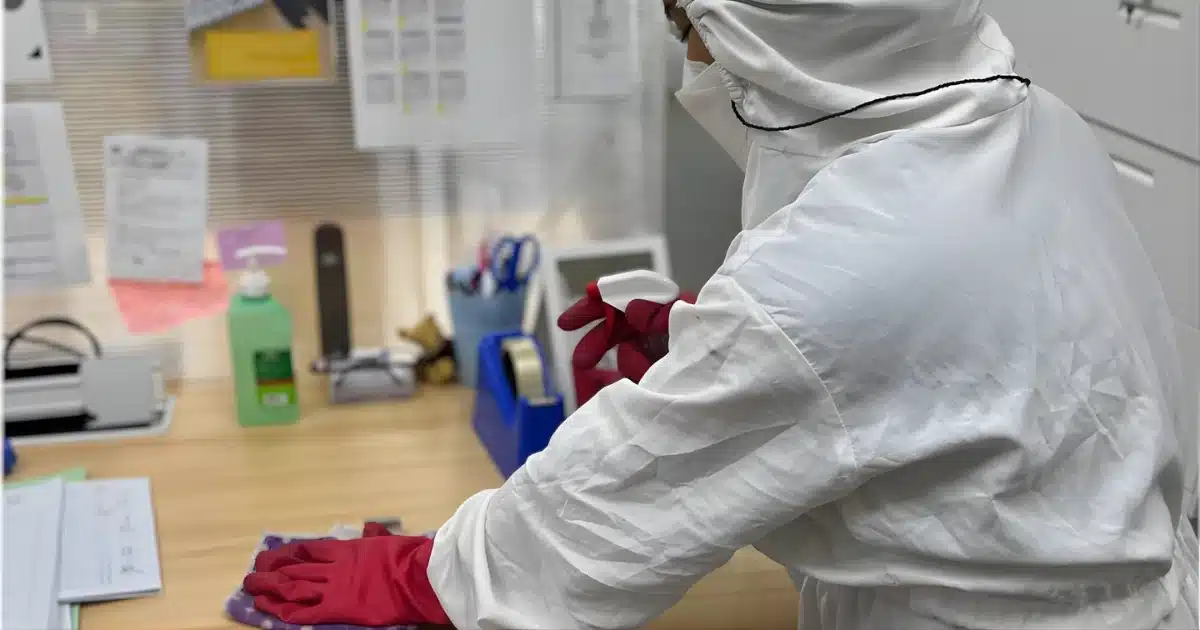
Employee absenteeism costs businesses thousands of dollars each year. One of the most overlooked causes? Poor workplace hygiene.
Understanding how clean workspaces reduce sick days helps business owners create healthier, more productive environments. Professional commercial cleaning services don’t just improve appearance — they actively reduce the spread of illness-causing germs, improve indoor air quality, and protect employee wellness.
Germs Spread Faster Than You Think in Offices
Offices are high-contact environments. Employees frequently share:
- Door handles
- Keyboards and computer mice
- Conference tables
- Breakroom appliances
- Restroom fixtures
- Elevator buttons
According to the Centers for Disease Control and Prevention, viruses can survive on surfaces for hours — and sometimes even days. Without proper disinfection, one sick employee can unintentionally spread illness throughout the workplace.
Professional office cleaning focuses on sanitizing high-touch surfaces to interrupt this chain of transmission.
Reduced Germs = Fewer Sick Days
When surfaces are routinely disinfected:
- Fewer bacteria and viruses circulate
- Employees are less exposed to contagious illnesses
- Seasonal flu and common colds spread more slowly
Businesses investing in recurring commercial cleaning services often experience measurable reductions in sick leave. Even preventing a few sick days per employee each year can significantly improve productivity and reduce operational disruptions.
Improved Indoor Air Quality Supports Employee Health
Dust, mold spores, and allergens accumulate in:
- Carpets
- Air vents
- Upholstery
- Workstations
Poor indoor air quality can trigger:
- Allergies
- Asthma
- Respiratory infections
- Headaches and fatigue
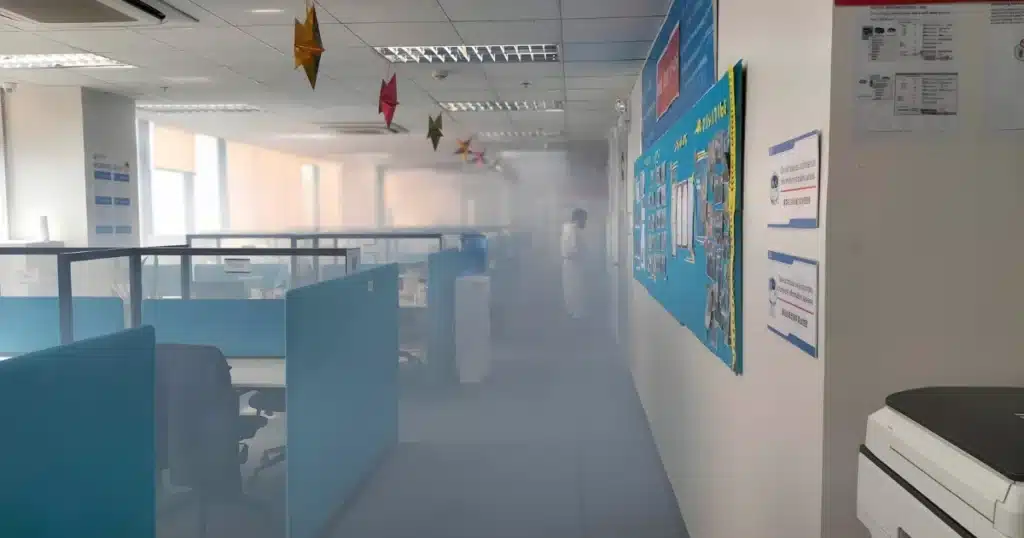
Professional cleaning teams use HEPA-filter vacuums and advanced dust-removal techniques to improve airflow and reduce airborne irritants. Healthier air leads to fewer respiratory-related absences.
You can also review workplace health recommendations directly from the Occupational Safety and Health Administration to understand how cleanliness supports compliance and safety standards.
Cleaner Breakrooms & Restrooms Prevent Cross-Contamination
Shared kitchens and restrooms are major contamination points in any office.
Routine deep cleaning and sanitization of:
- Sink handles
- Refrigerator doors
- Microwaves
- Toilets and faucets
- Countertops
dramatically reduces cross-contamination risks. When these areas are professionally disinfected, the likelihood of foodborne and surface-transmitted illnesses decreases.
Learn more about our janitorial services for high-traffic facilities.
A Clean Workspace Encourages Better Hygiene Habits
A professionally maintained environment promotes:
- Stronger handwashing habits
- Organized workspaces
- Reduced clutter (which traps dust and bacteria)
- A culture of accountability and cleanliness
Employees are more likely to practice proper hygiene when their environment visibly prioritizes health and safety.
Productivity Improves When Employees Feel Well
Fewer sick days result in:
- Fewer workflow disruptions
- Less workload redistribution
- More consistent project timelines
- Higher employee morale
When teams feel healthy, they focus better and perform at higher levels. Cleanliness isn’t just cosmetic — it’s a productivity strategy.
Professional Commercial Cleaning vs. Basic Janitorial Services
Basic cleaning removes visible dirt. Professional commercial cleaning includes:
- Hospital-grade disinfectants
- High-touch surface sanitation protocols
- Scheduled deep cleaning
- Floor and carpet maintenance
- Restroom disinfection systems
This proactive, health-focused approach significantly reduces illness transmission compared to surface-level cleaning alone.
The Business Case: Cleaning Is an Investment
Consider this example:
If one employee earns $200 per day and misses 5 days annually, that’s $1,000 in lost productivity — not including project delays or team strain.
Multiply that across multiple employees, and absenteeism quickly exceeds the cost of routine office cleaning.
Reducing employee sick days supports:
- Lower operational costs
- Higher team efficiency
- Improved workplace satisfaction
- Stronger company culture
How Often Should Offices Be Professionally Cleaned?
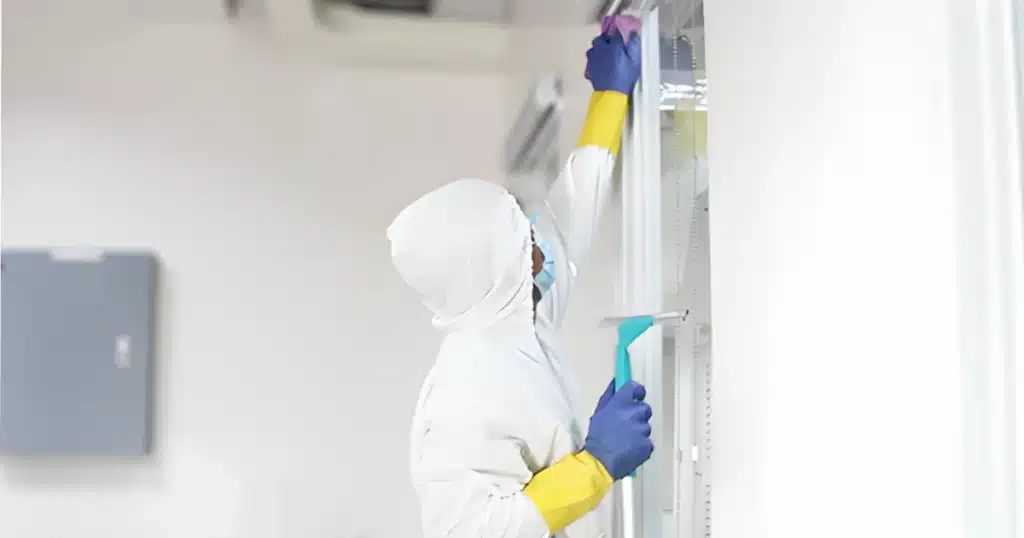
Cleaning frequency depends on:
- Office size
- Employee count
- Industry requirements
- Foot traffic levels
Most businesses benefit from:
- Daily cleaning for high-traffic facilities
- Weekly cleaning for smaller offices
- Quarterly deep cleaning for preventive maintenance
A customized cleaning schedule ensures maximum health protection and long-term cost savings.
Final Thoughts: How Clean Workspaces Reduce Sick Days Long-Term
Understanding how clean workspaces reduce sick days allows business owners to make strategic investments in workplace health.
Professional commercial cleaning:
- Reduces germ spread
- Improves indoor air quality
- Promotes employee wellness
- Boosts productivity
- Saves money long-term
If you’re ready to create a healthier, more productive office environment, contact us today to schedule a customized cleaning plan.